TEL:13526590898
 Scan to contact us
 Scan to view the mobile version

01. The Global AI Era and Data Centers: New Heights in Chip Thermal Management Revolution
1. NVIDIA Rubin Implements Diamond Cooling
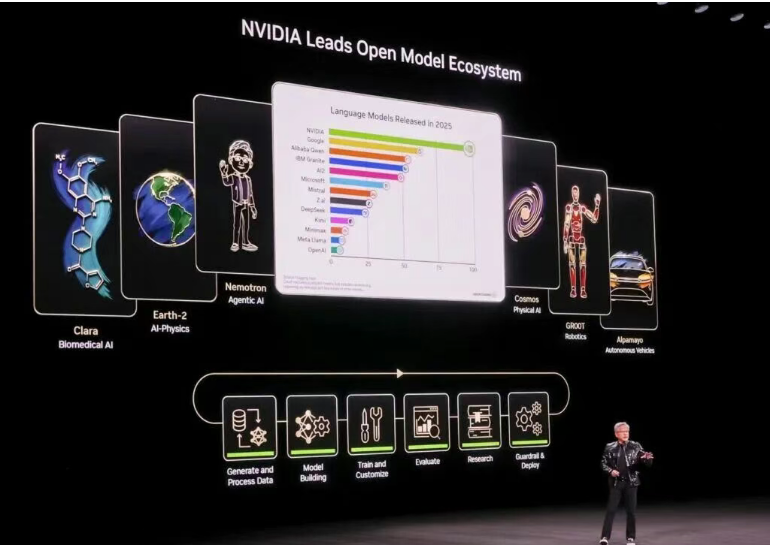
At the NVIDIA GTC 2026 conference, Huang Renxun delivered a keynote speech, explicitly outlining the "five-layer cake" architecture of AI computing power for the first time. This framework spans from underlying hardware to top-tier applications, with performance leaps at each layer heavily reliant on thermal management. Thermal dissipation efficiency has emerged as the core bottleneck that runs through the entire architecture and determines the upper limit of computing power. Huang Renxun emphasized, "The competition in next-generation AI computing power is, in essence, a competition in thermal management capabilities." With its irreplaceable physical properties, diamond cooling has become the ultimate solution to address thermal challenges across the entire "five-layer cake" architecture, making its industrial implementation an inevitable trend.
In the future, GPU thermal management will evolve into a three-tier system: "chip-level material thermal conduction + board/cabinet-level cooling architecture + data center-level energy efficiency systems." The synergistic effects of liquid cooling and diamond material enhancement are set to drive a new era in AI thermal management, with material innovation as its core driving force.
2. Huawei Doubles Down on "Chip Thermal Management"
Huawei's Hubble Technology, in partnership with Zhongguancun Development Group and Qihang Investment, has jointly invested tens of millions of yuan in a Series A funding round, placing a significant bet on metal-based thermal management materials. This move underscores the immense potential and irreplaceable value of high-thermal-conductivity diamond materials in heat dissipation.
Huawei Hubble has long been renowned for its "strategic positioning in core sectors and focus on cutting-edge technologies." From semiconductor equipment to new materials, each of its investments aligns closely with industry trends and core demands. As the industry-recognized "fourth-generation thermal management material," high-thermal-conductivity diamond is transitioning from an "optional" to an "essential" component, reshaping the global landscape of thermal management.

02. Diamond Emerges as the Core of AI Chip Heat Dissipation
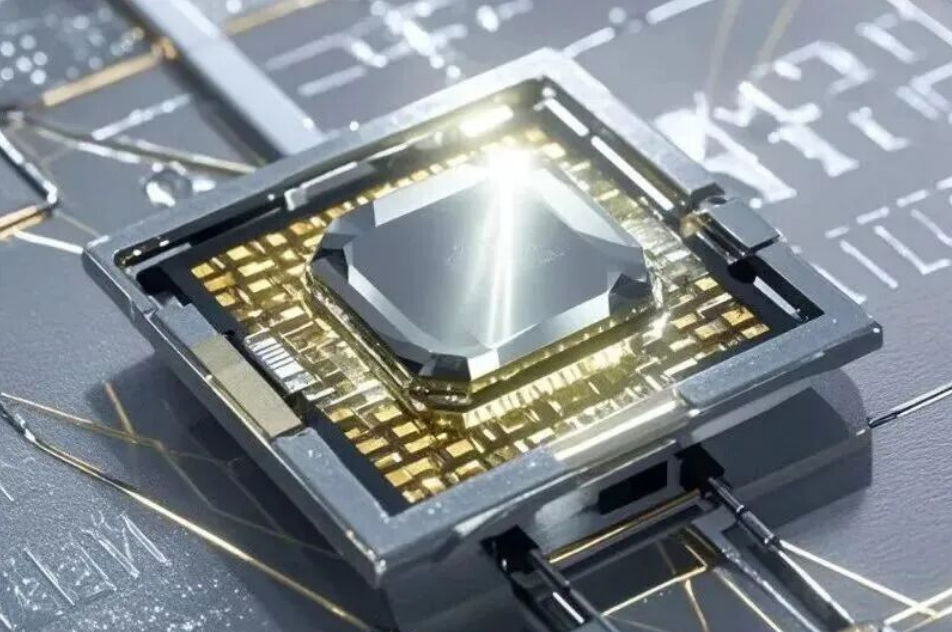
As the power consumption of AI chips continues to push the physical limits toward 1,400W or even 2,000W, traditional pure copper thermal materials are struggling to meet the heat dissipation demands under extreme heat flux densities. Diamond, with its ultra-high thermal conductivity, has emerged as a core new material in the field of AI chip heat dissipation.
Since early 2026, multiple diamond cooling technology products have entered commercial application, marking the formal transition of diamond heat dissipation into the stage of commercialization. Its application value and development potential in AI chip thermal management continue to unfold, simultaneously fostering a wave of diamond manufacturers entering this field and driving the industry into a new stage driven by material innovation.

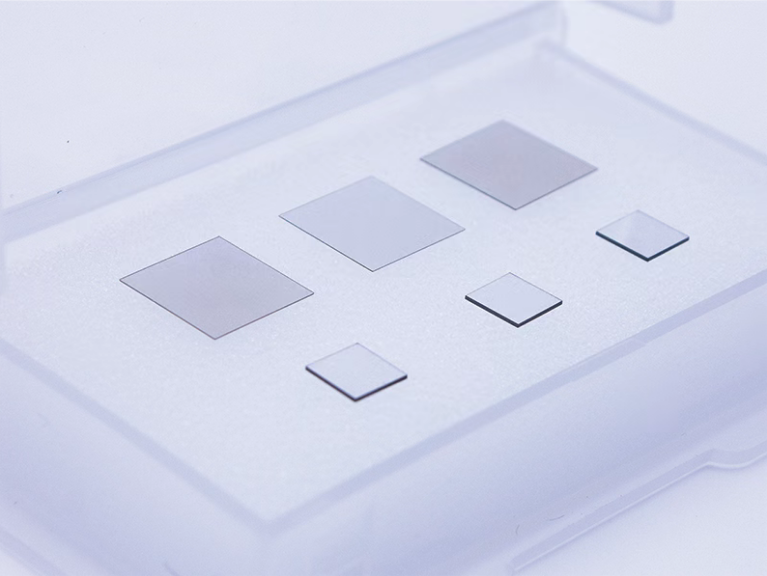
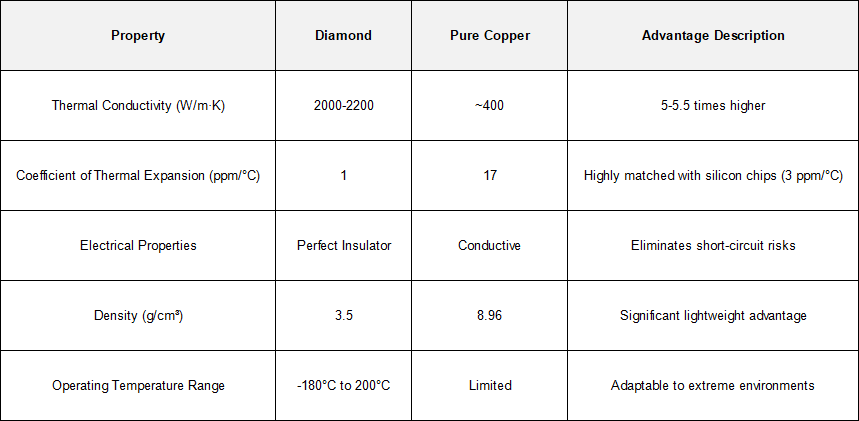
Diamond is the material with the highest known thermal conductivity in nature. Diamond-copper composite materials, formed by combining CVD diamond thin films (100-300 μm) with metal layers, can achieve a thermal conductivity of over 950W/(m·K) while maintaining machinability and mechanical strength. Its physical properties make it an ideal match for the heat dissipation demands of high-power chips:
03 There are three main technical paths for diamond-based heat dissipation:

04 The Top Performer in Synthetic Diamonds: CVD Diamond
CVD diamond (laboratory-grown diamond), with its ultra-high thermal conductivity (2000–2200 W/(m·K), 5 times that of copper and 10 times that of aluminum), excellent electrical insulation, and a coefficient of thermal expansion matching that of semiconductor materials, has become the "ultimate material" for breaking through the heat dissipation bottleneck under high heat flux densities. In early 2026, diamond heat dissipation technology achieved commercial deployment on both NVIDIA and AMD AI chip platforms consecutively, marking the official start of the inaugural year for the commercialization of diamond heat dissipation solutions.