
New Energy Vehicle Application Scenario
Core Scenario Requirements
It must adapt to vehicle-level extreme operating conditions including a wide temperature range of -40℃ to 125℃, intense vibration and high humidity. It aims to solve key industry pain points of new energy vehicles, such as the heat dissipation bottleneck of 800V high-voltage platforms, battery thermal runaway risks, vehicle lightweighting, and high power density. It ultimately improves vehicle cruising range, safety and service life.
Specific Applications of Six Major Products
- Single/Polycrystalline Diamond Substrates & Heat SinksApplied to laser chip substrates of vehicle LiDAR and heat sinks of automotive SiC power devices.Single-crystal diamond substrates greatly increase the output power and service life of LiDAR chips, improving detection range and accuracy, and providing core support for high-level autonomous driving. Meanwhile, they break the heat dissipation bottleneck of automotive SiC power devices and enhance the efficiency of electric drive systems as well as overall vehicle cruising capability.
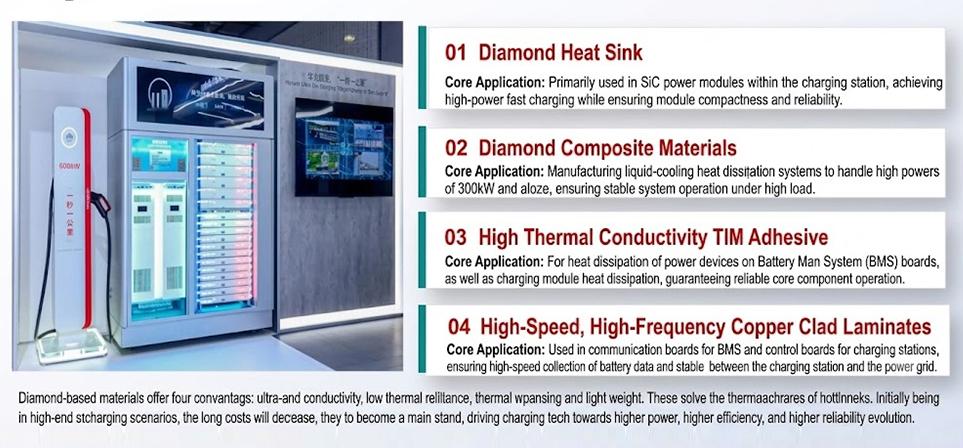
- Diamond Composite Heat Sinks & EnclosuresUsed for heat sinks of new energy vehicle SiC power modules, heat dissipation enclosures of autonomous driving domain controllers, and housings of vehicle LiDAR.Diamond‑aluminum composite heat sinks feature a thermal conductivity of 800 W/m·K, effectively resolving the heat dissipation bottleneck of high-computing autonomous driving chips and SiC power modules. They lower chip operating temperature by more than 25℃ and improve the long-term reliability of autonomous driving and electric drive systems. In addition, the enclosures provide excellent electromagnetic shielding performance, reducing electromagnetic interference among on-board electronic equipment and ensuring stable operation of the vehicle’s electronic system.
- M9/M10 Copper-Clad Laminates & TVG Glass SubstratesApplied to high-speed mainboards of autonomous driving domain controllers, automotive Ethernet communication boards, and LiDAR signal processing boards for new energy vehicles.With extremely low dielectric loss Df < 0.002, they ensure distortion-free high-speed signal transmission of high-computing autonomous driving chips and meet the high-speed communication demands of automotive Gigabit/10-Gigabit Ethernet. Their high thermal conductivity solves the heat dissipation challenge of high-performance chips in domain controllers, improving the response speed of autonomous driving systems and driving safety.
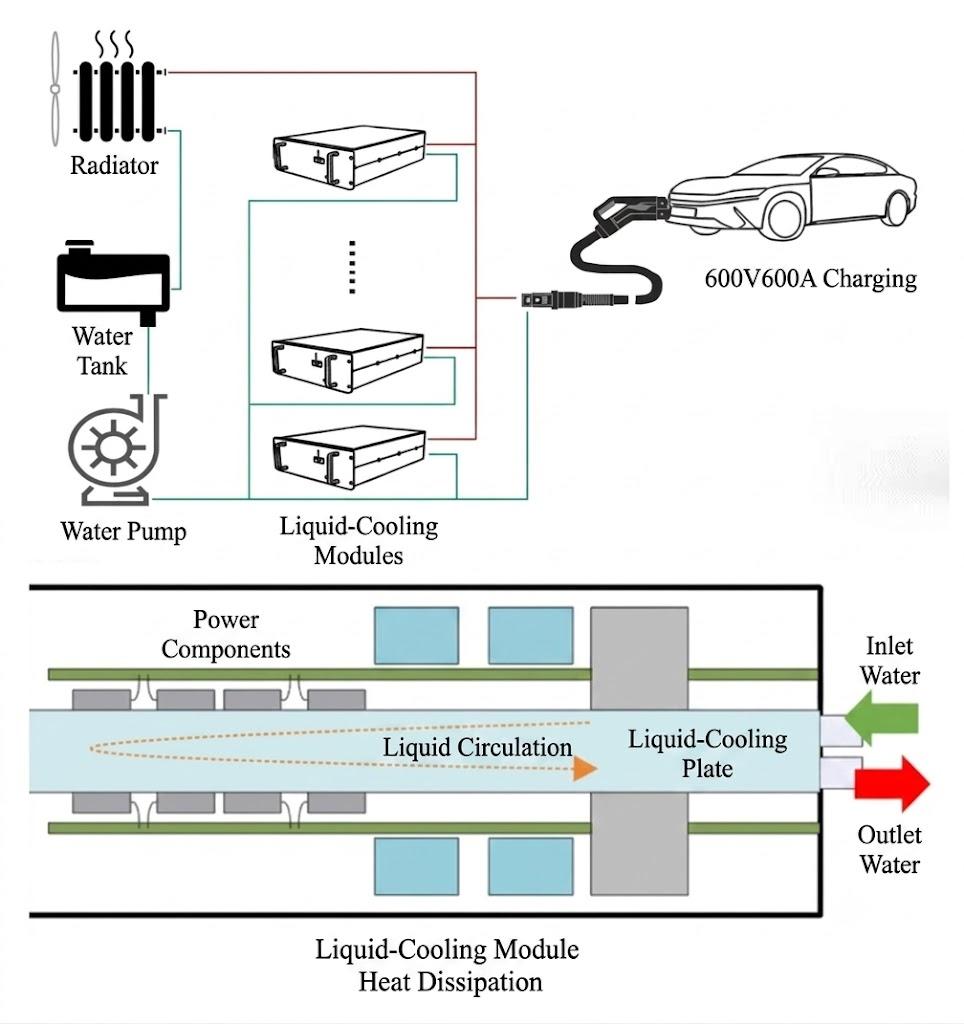
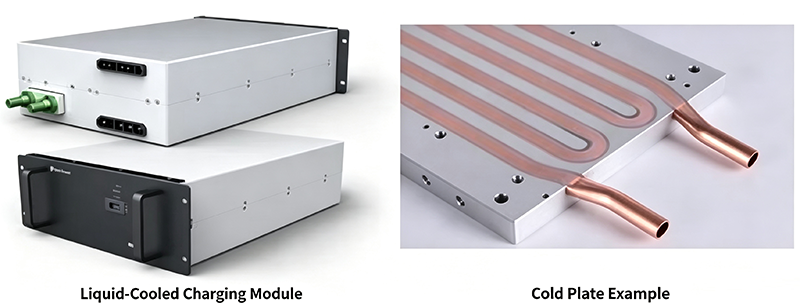
- Customized Diamond Heat Dissipation ModulesCustomized integrated thermal solutions are mainly used for 800V high-voltage platform electric drive systems, on-board OBC chargers, DC-DC converters, and vehicle LiDAR in new energy vehicles.Adopting upfront thermal simulation design, it achieves integration of heat dissipation structure — liquid cooling channel — interface material. It addresses the high heat flux density challenge of high-power devices on 800V high-voltage platforms, delivering over 40% higher heat dissipation efficiency and 30% lower weight compared with traditional aluminum water-cooled plates. Fully adaptable to vehicle wide-temperature operating conditions, it significantly improves the power density of electric drive systems and vehicle cruising range.
- Aluminum Silicon Carbide (AlSiC)Applied to packaging substrates of IGBT/SiC power modules, electric drive motor housings, structural parts of battery pack liquid cooling plates, and packaging bases of vehicle LiDAR in new energy vehicles.It realizes integrated structural and thermal management. Its CTE matches SiC power chips precisely, effectively relieving thermal stress fatigue failure of automotive IGBT modules under frequent start-stop and high-current impact conditions, and extending module service life by more than twice. Compared with traditional aluminum alloy motor housings, it reduces weight by 25% and improves heat dissipation efficiency by 30%, lowering motor operating temperature and enhancing electric drive efficiency. It serves as a core material for lightweighting and thermal management upgrading of new energy vehicles.
- Quantum DiamondApplied to high-precision inertial navigation systems and early battery thermal runaway warning systems for new energy vehicles.Quantum diamond-based inertial navigation systems maintain high-precision positioning in GPS-shielded scenarios such as tunnels and underground garages, enabling full-scenario coverage for high-level autonomous driving. Meanwhile, quantum diamond temperature sensors support nanometer-level high-precision internal temperature monitoring of battery packs, warning battery thermal runaway risks 10–20 seconds in advance and fundamentally improving the safety of new energy vehicles.